Minimal data for the AI
Only the scan context goes to the model, with no unnecessary personal data. Retention is configurable.



The doctor fills in the patient card and ticks the organs, AI writes findings and recommendations for each, and the system assembles a ready Word report in the center's own template.
 AI ultrasound report
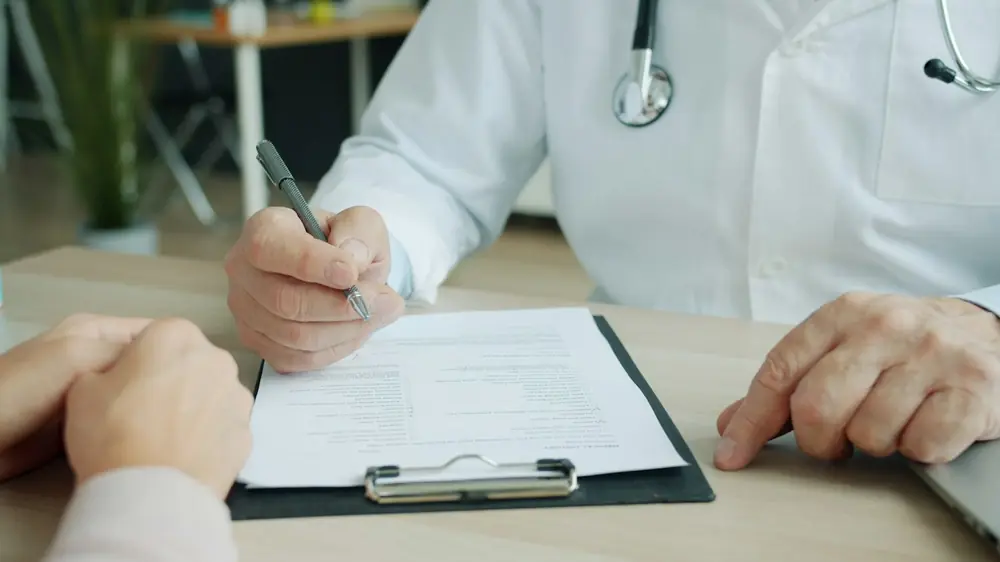
After every scan the doctor wrote, formatted and aligned the report by hand. A single document took more than 25 minutes.
 Ultrasound_Kowalska_v3.docxUltrasound_Kowalska_v3.docx
The goal was a tool that takes over the text and formatting of the report and leaves the doctor with the scan data and the review of findings.
Cut the time per document from half an hour to a few minutes without changing how doctors work.
Every report in one template: structure, layout and logo identical for every doctor.
AI drafts the text for each organ, the doctor edits and confirms the findings.
Interface and reports in two languages, with no separate version of the system.
AI ultrasound report

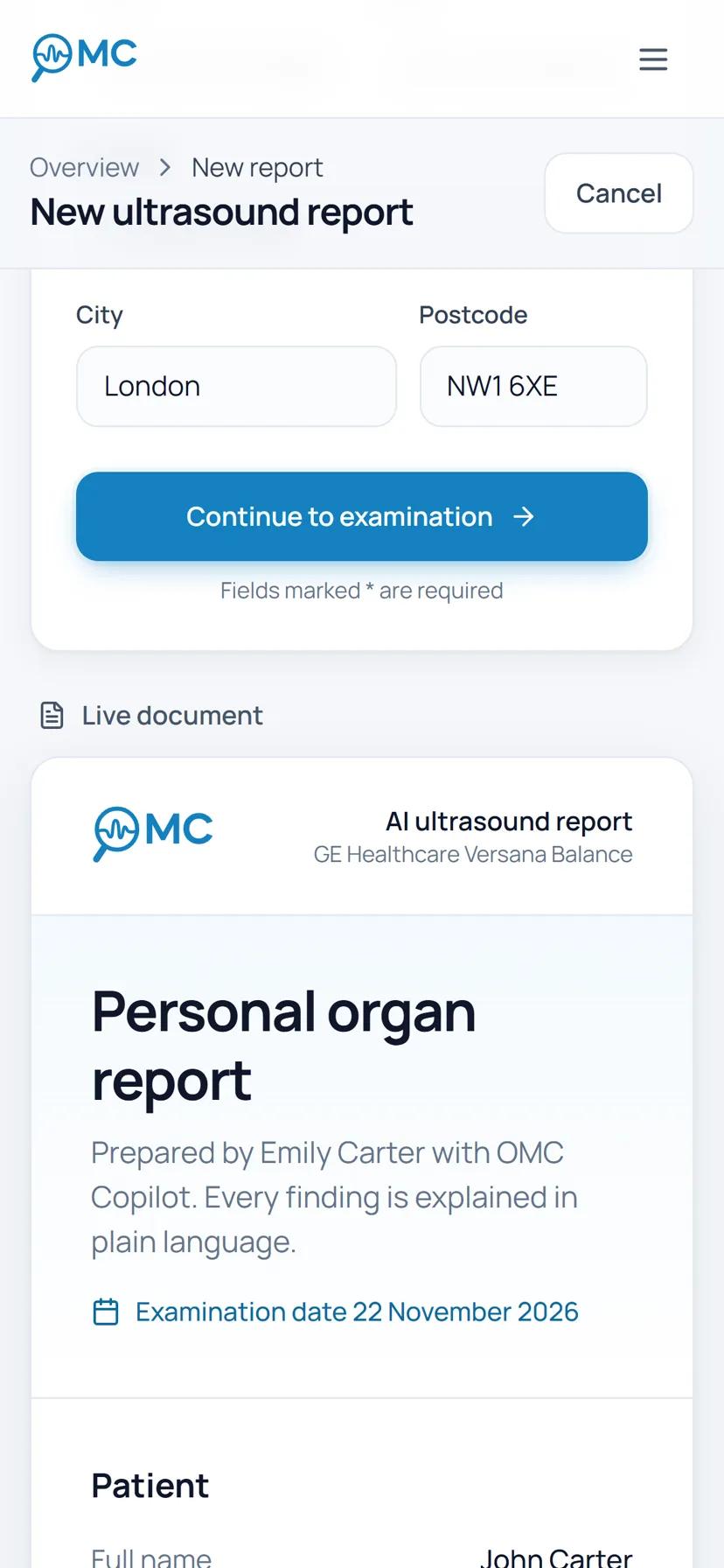
The doctor enters name, date of birth, patient ID, sex, weight and contacts. The report preview on the right fills in as they type.

Up to 30 organs, separately for men and women: thyroid, lymph nodes, liver, kidneys and more. The doctor ticks what the scan covered.

For each organ the model turns the doctor's observation into findings, explains them in plain language and adds recommendations. The doctor reviews the text and rephrases it when needed.
The document builds itself: the first two pages in the center's template, then one organ per page.
The interface and reports switch between Polish and Russian in one tap.


An administrator creates doctor accounts. Every report keeps a version history.
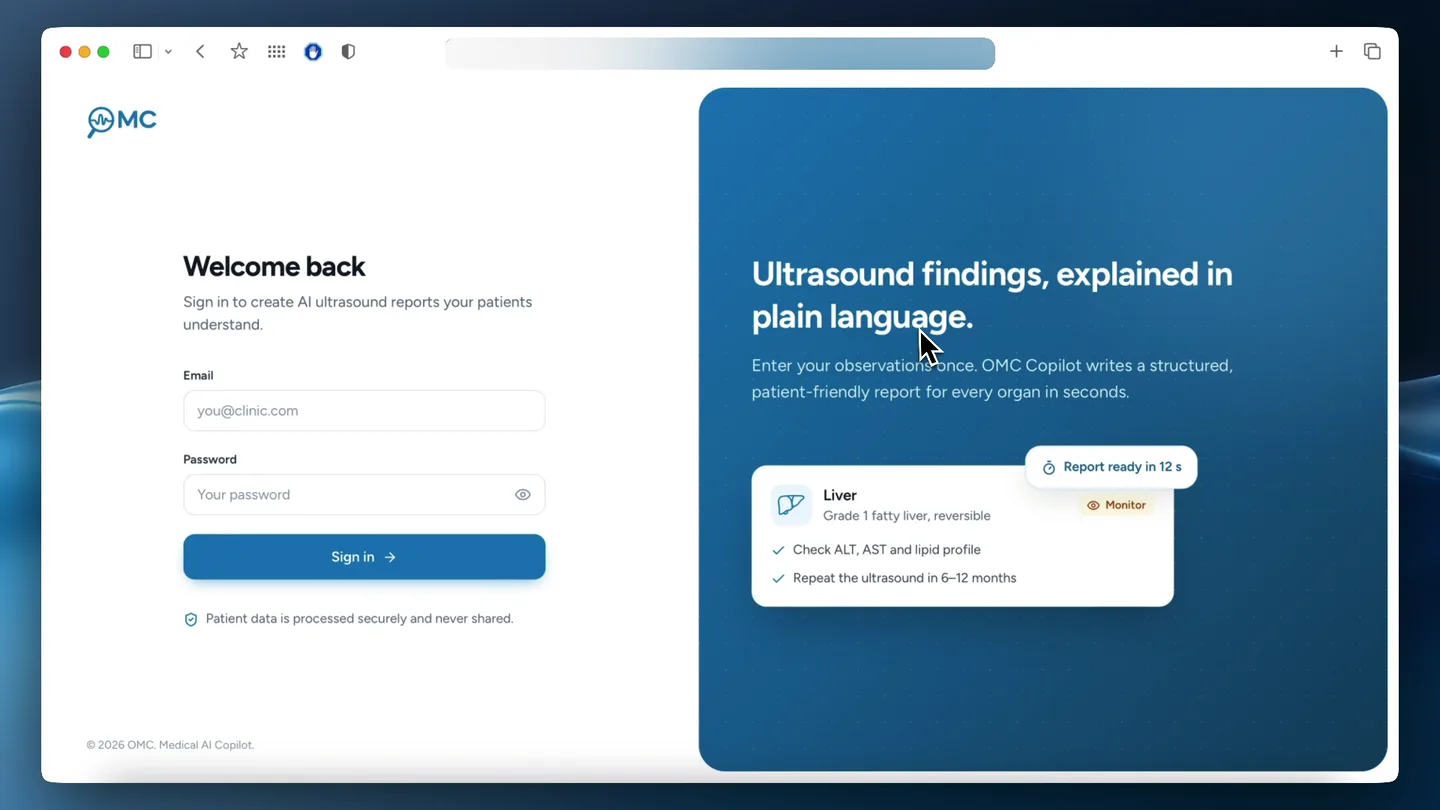
After signing in the doctor sees a dashboard with statistics and recent reports. The report list can be searched by patient and organ, and any finished report opens in one click.
The doctor fills in the card and the data appears in the document on the right straight away. The sex switch changes the organ list: for a female patient, breasts and uterus appear. The doctor ticks the organs, writes observations, adds the history and starts generation.
The report opens with a summary and counters: how many organs were examined, how many are within normal limits and how many need attention. Each organ has the doctor's observation, findings, a plain-language explanation and numbered recommendations.
The report downloads as Word in one click: a title page with the center's logo, patient details, one page per organ and a closing summary with a medical disclaimer.
An administrator adds a doctor: name, email, password, license number and specialty. The form checks every field, and admin rights are switched on with one toggle.
The system handles patient data, so protection is built into the architecture: only what is needed goes to the model, access is limited by role, and every change stays in the history.
Only the scan context goes to the model, with no unnecessary personal data. Retention is configurable.
Mandatory text checks, a medical disclaimer in the report, and questions outside the model's scope go to the doctor.
A secure connection in transit and encrypted disks at rest.
Least-privilege roles, report versions and a change log.
Figures from the first two months of using the system.
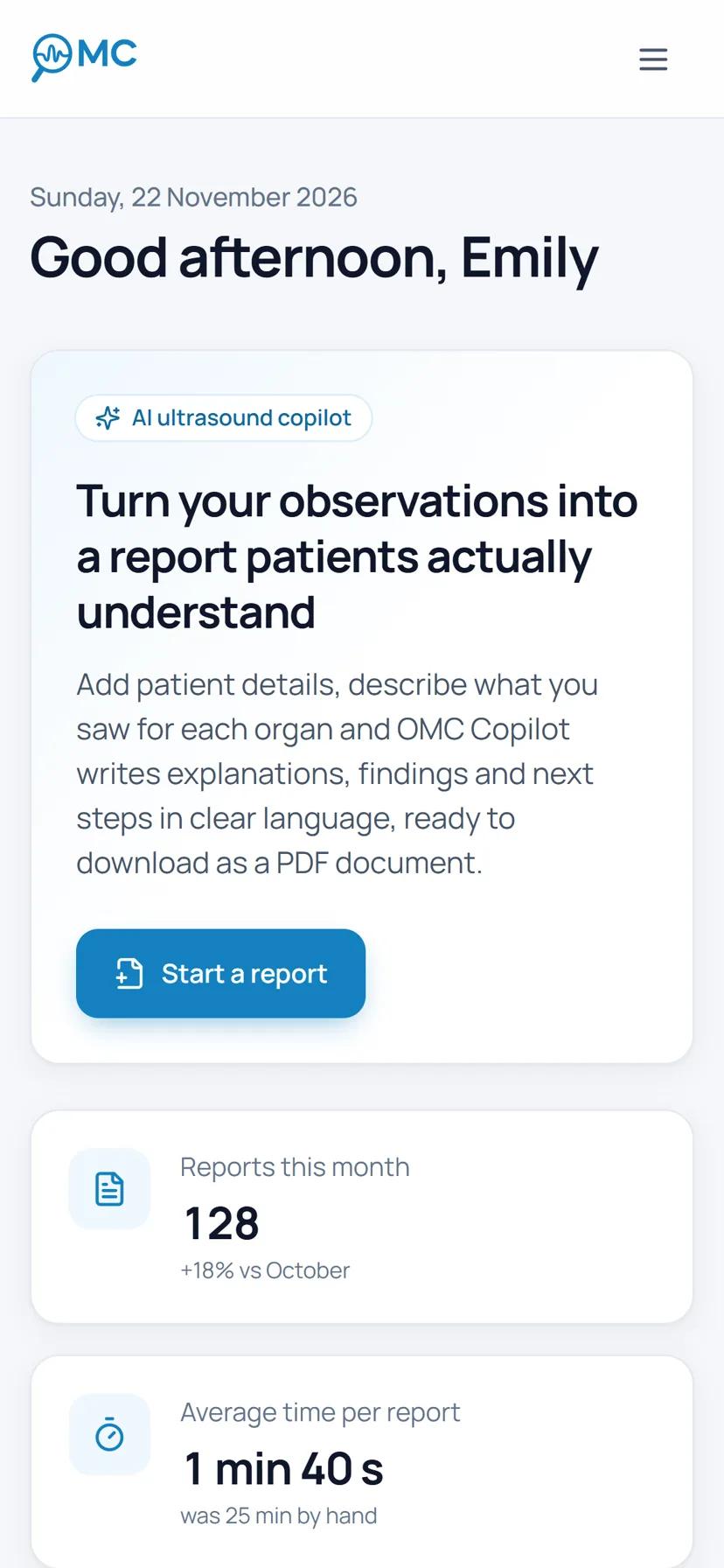
We looked at how doctors write reports today: the center template, the order of organs, the usual wording and where the time goes.
Patient details are entered once and appear in the document on the right right away, with no copying between windows.
Separate lists for men and women. The doctor ticks what the exam covered and describes only those organs.
The model breaks the doctor’s observation into findings, a plain-language explanation and recommendations. The doctor reviews and edits the text.
Two pages in the center’s branded template and one organ per page. The file downloads in one click.
The interface and reports switch between two languages with no separate system version.
The administrator creates doctor accounts, and every report keeps its version history.

The server side: cards, organs, generation and report assembly.

The model that writes findings and recommendations for every organ.
The finished report in the format doctors and patients are used to.

Doctors, patients, organs and report versions.

The same deployment on any server.

A light interface doctors use without training.

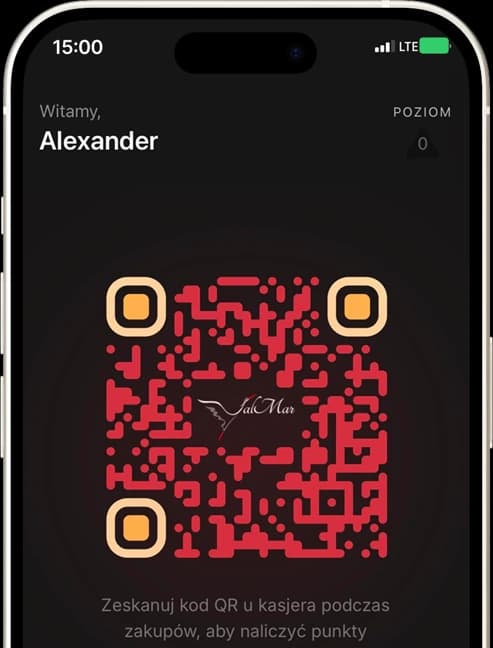
Personal QR, POS integration and AI personalization: points and gifts instead of discounts. Retention and average order value went up.

A live voice conversation: calendar, WhatsApp, reminders and a memory of the person in one assistant.

Let's discuss your task and show how the system can take over your specialists' reports and documents.